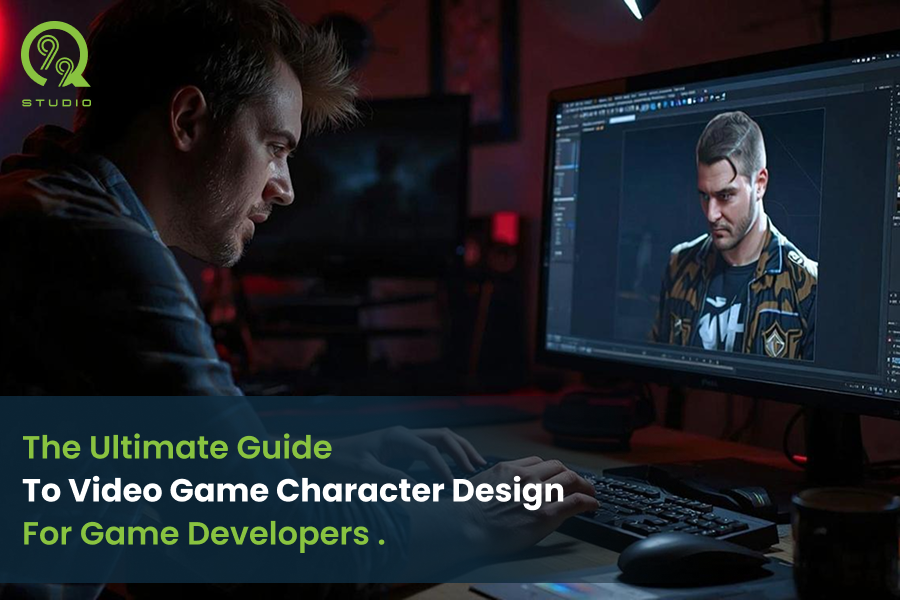
Video game character design is one of the most important pillars of game development. Characters are not just visual elements placed inside a game world — they define the story, influence gameplay, and shape how players emotionally connect with the experience. From iconic protagonists to memorable villains and NPCs, strong character design can determine a game’s long-term success.
For game developers, creating compelling characters requires a thoughtful blend of creativity, storytelling, and technical expertise. This guide explores what video game character design is, why it matters, and how developers can approach it effectively.
What Is Video Game Character Design?
Video game character design is the process of creating characters that fit seamlessly into a game’s narrative, mechanics, and visual style. It involves defining a character’s appearance, personality, movement, and role within the game.
A well-designed game character:
- Clearly communicates personality and purpose
- Supports gameplay mechanics
- Aligns with the game’s art direction
- Performs efficiently within technical constraints
Character design ensures that players instantly understand who a character is and why they matter.
Why Character Design Is Important in Games
Characters are often the most memorable part of a video game. Players may forget levels or mechanics, but iconic characters stay with them long after gameplay ends.
Strong character design helps:
- Increase player immersion and emotional engagement
- Improve gameplay clarity and recognition
- Strengthen storytelling and world-building
- Build brand identity and franchise value
In competitive markets, recognizable characters can become the face of a game or studio, making character design a strategic investment rather than just an artistic choice.
Core Elements of Video Game Character Design
Character Personality and Backstory
Every character should have a clear role and motivation. Personality traits, goals, and conflicts shape how players perceive and interact with the character.
Silhouette and Shape Language
A strong silhouette ensures characters are recognizable even at a distance. Shape language communicates traits such as strength, agility, or danger through visual form.
Costume and Visual Details
Clothing, accessories, and props visually tell a character’s story. These details reflect background, profession, culture, and progression within the game.
Color Theory
Colors influence emotion and readability. Thoughtful color choices help differentiate characters, highlight roles, and maintain visual consistency.
Animation and Movement
Movement brings characters to life. Animation style should match personality and gameplay, ensuring responsiveness and realism.
The Video Game Character Design Process
Step 1: Concept and Role Definition
The process begins by defining the character’s role in the game and their narrative purpose. This foundation guides all design decisions.
Step 2: Visual Exploration
Designers experiment with silhouettes, shapes, and costume ideas to explore multiple visual directions.
Step 3: Concept Art Development
Refined concept art is created and iterated based on feedback until the final design is approved.
Step 4: 3D Modeling and Texturing
Approved concepts are transformed into optimized 3D models with high-quality textures suitable for real-time engines.
Step 5: Rigging and Animation
Characters are rigged and animated to support gameplay actions, emotional expressions, and interactions.
Step 6: Testing and Optimization
Final characters are tested in-game to ensure performance, readability, and consistency across platforms.
Character Design and Game Development Services
Professional character design is most effective when combined with end-to-end game development services, such as:
- Character concept art and illustration
- 2D and 3D character modeling
- Texturing, rigging, and animation
- Unity and Unreal Engine integration
- Cross-platform optimization
This integrated approach ensures characters look great, perform smoothly, and enhance the overall gameplay experience.
Final Thoughts
Video game character design plays a critical role in player engagement, storytelling, and game identity. Well-designed characters elevate gameplay, create emotional connections, and help games stand out in a crowded market.
For game developers, partnering with an experienced game development company ensures character designs are not only visually compelling but also technically sound and ready for real-world deployment.


 B - 433-442, Money Plant High Street, Near Ganesh Glory, Jagatpur Road, S.G. Highway, Ahmedabad - 382470.
 11006 Kirker Ln, Richmond, TX 77407, USA


